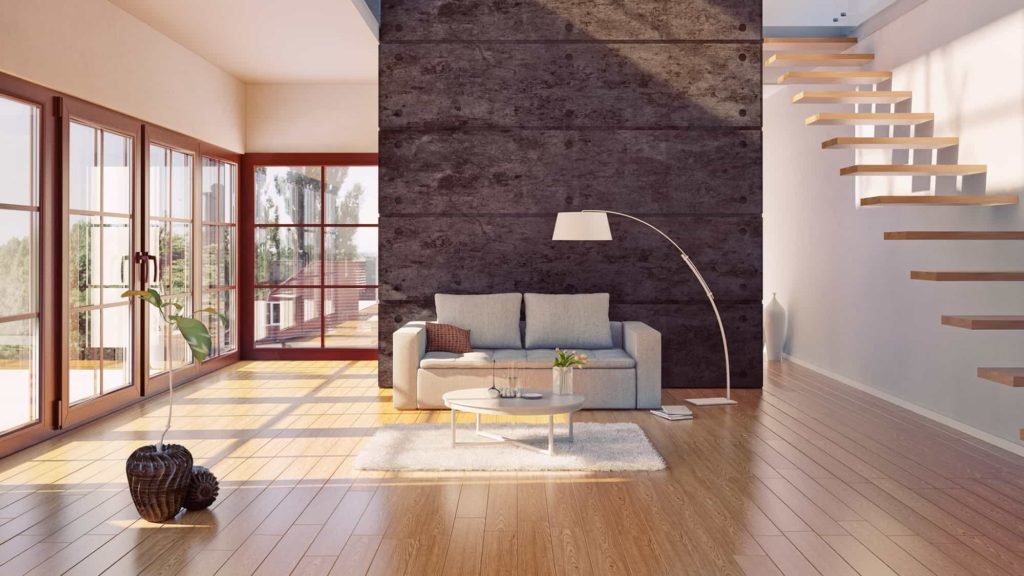
Flooring can swallow a big part of any renovation budget. You want something cheap, but you don’t want to replace it in three years. So, what type of flooring is best and cheapest? The honest answer depends on your room, your foot traffic, and how long you plan to stay. This guide compares seven low-cost options so you can choose with confidence.
What Should You Consider When Choosing Cheap Flooring?
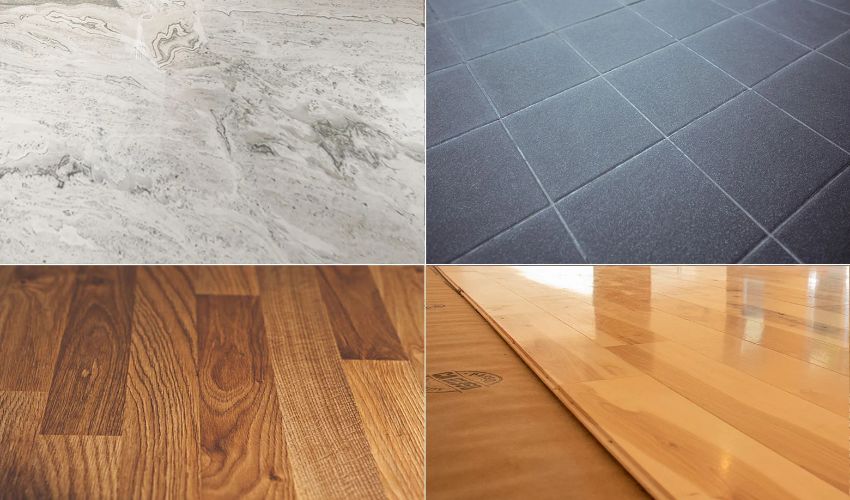
The price tag is only the start. Weigh these points before you buy:
- Upfront cost: Material price per square foot is easy to compare, but it is only part of the bill.
- Installation costs: Some floors are DIY-friendly. Others need a pro, which adds labor and prep work.
- Durability: A floor that lasts 20 years can beat one that costs half as much and wears out in five.
- Maintenance: Easy-to-maintain flooring saves time and cleaning costs.
- Water resistance: Kitchens and bathrooms need floors that handle spills.
- Long-term value: Add up purchase, installation, upkeep, and replacement.
Keep one idea in mind: material cost and total installed cost are different things. A cheap material can turn expensive once you pay for subfloor repair, underlay, trims, and labor. Always compare the full installed price per square foot, not just the number on the box.
7 Cheapest Flooring Options Compared
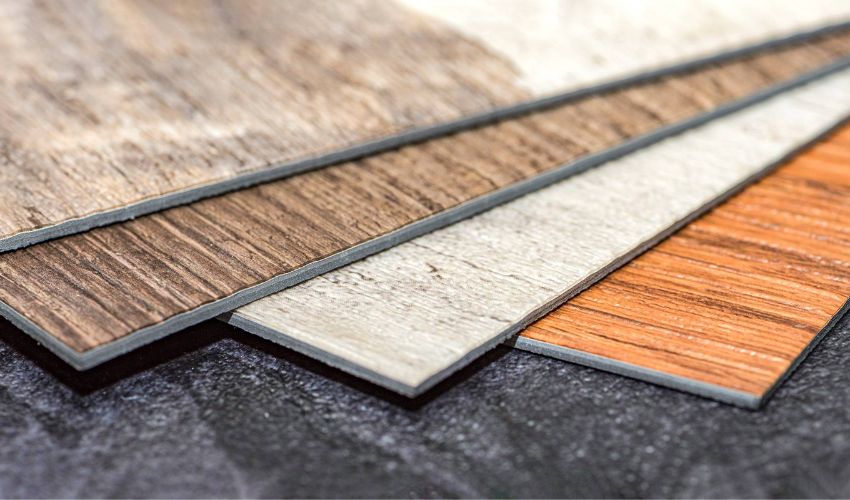
Here is how each affordable flooring material stacks up.
1. Vinyl Flooring
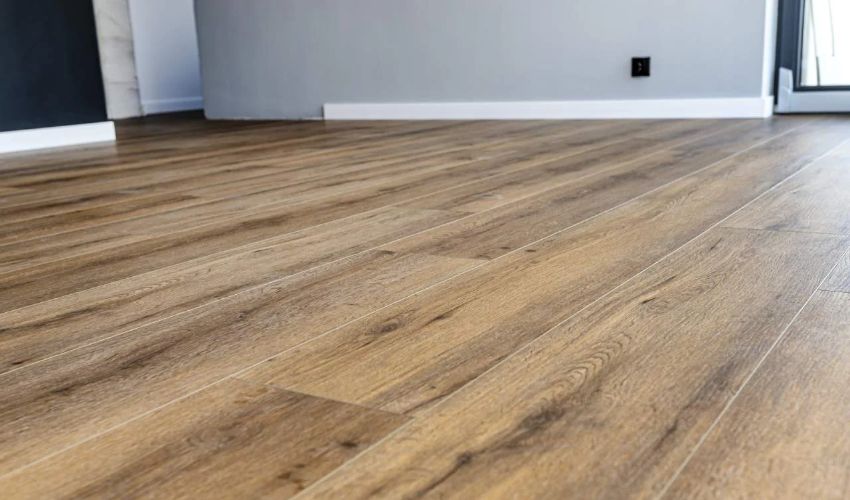
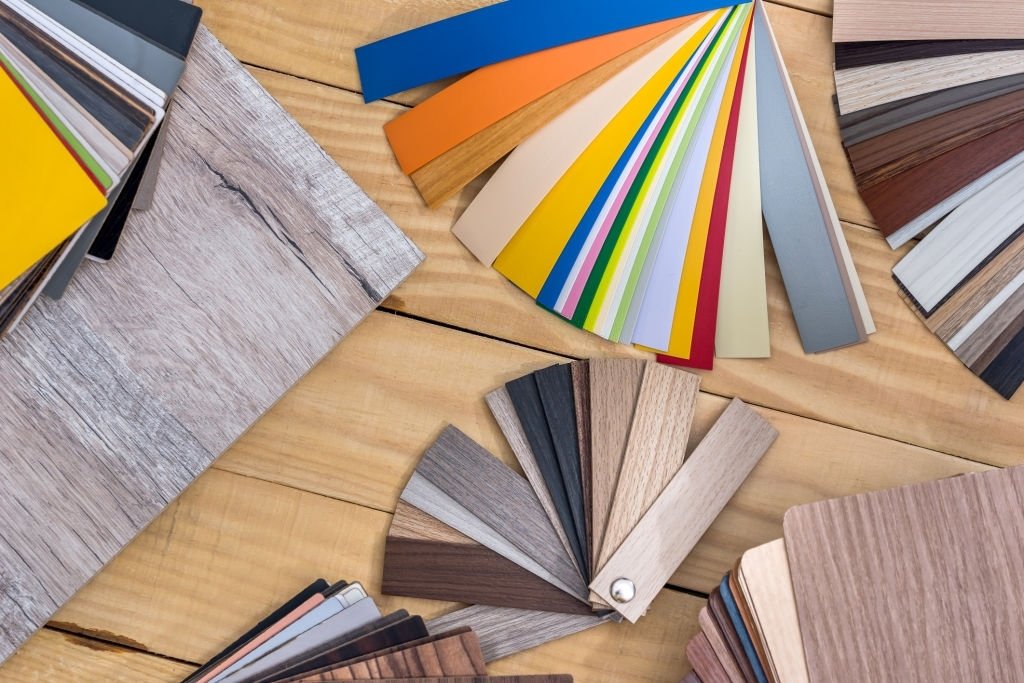
Vinyl flooring is a top pick for budget-friendly flooring. It resists water, feels soft underfoot, and comes in wood and stone looks. It sells as sheets, tiles, or click-together planks, and many people install it themselves. Quality varies a lot. Thin vinyl can dent and fade, so check the wear layer. It suits kitchens, bathrooms, laundry rooms, and rentals.
2. Laminate Flooring
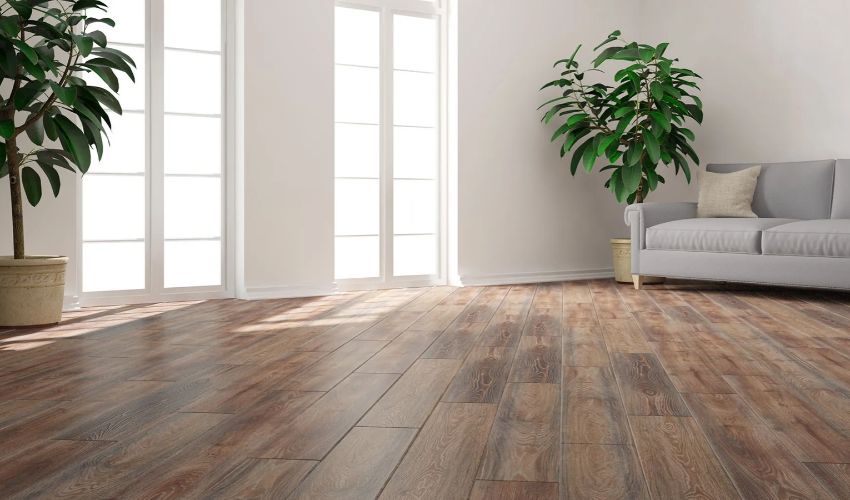
Laminate flooring copies the look of real wood for less money. Boards click together over an underlay, so installation is quick and often DIY. It resists scratches well. Water is its weak spot. Standing moisture makes the boards swell, so skip it in bathrooms and laundry rooms. It works well in living rooms and bedrooms.
3. Ceramic Tile Flooring
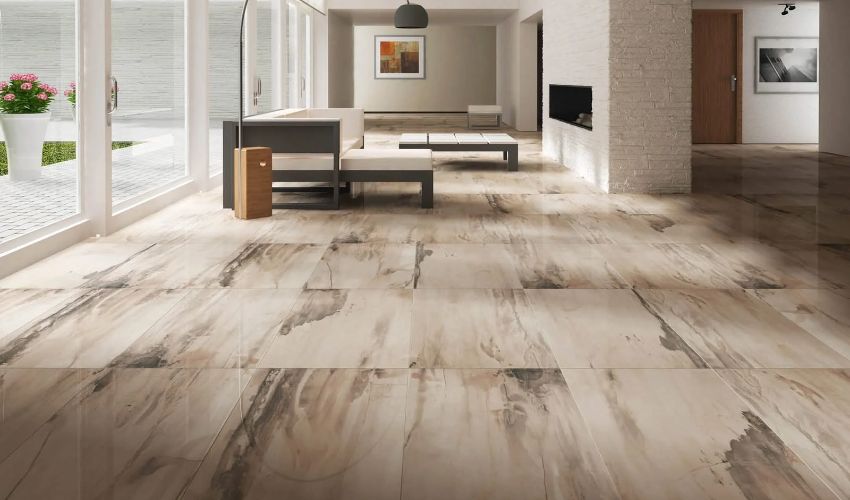
Ceramic tile flooring is tough and waterproof. The tiles can be cheap, but flooring installation costs run higher. Tile needs a flat base, adhesive, grout, and skilled labor. It feels cold and hard, and grout lines need regular cleaning and sealing. Installed well, it can last for decades. It is great for kitchens, bathrooms, and entryways.
4. Carpet Flooring
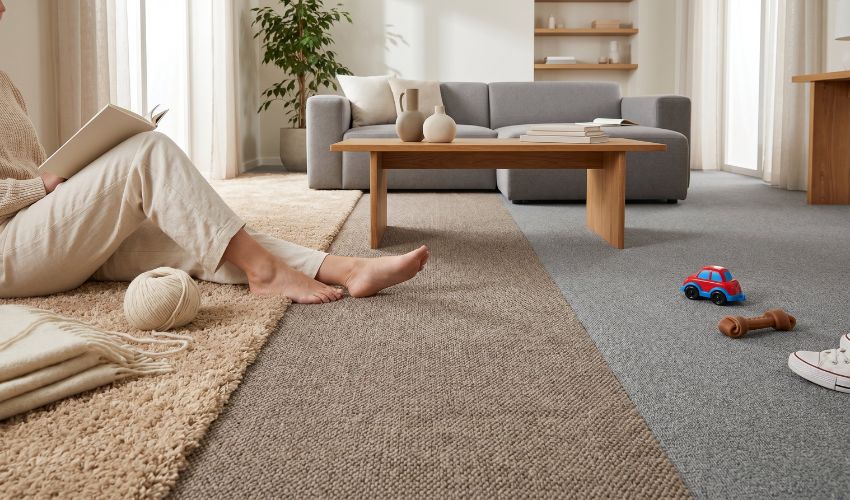
Carpet flooring is warm, quiet, and comfortable. It is often one of the lowest-cost choices per square foot. The downsides are stains, trapped dust, and wear in busy spots. You will need to vacuum often and deep clean now and then. Carpet fits bedrooms and low-traffic living areas. Keep it out of wet rooms.
5. Rubber Flooring
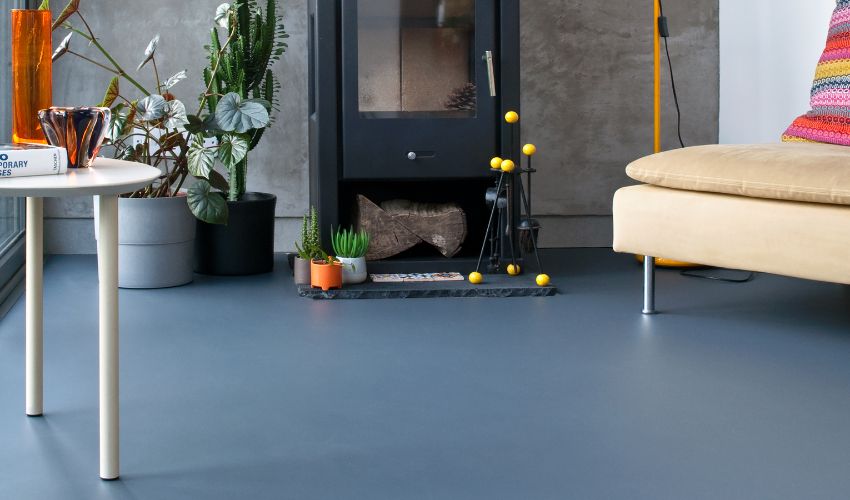
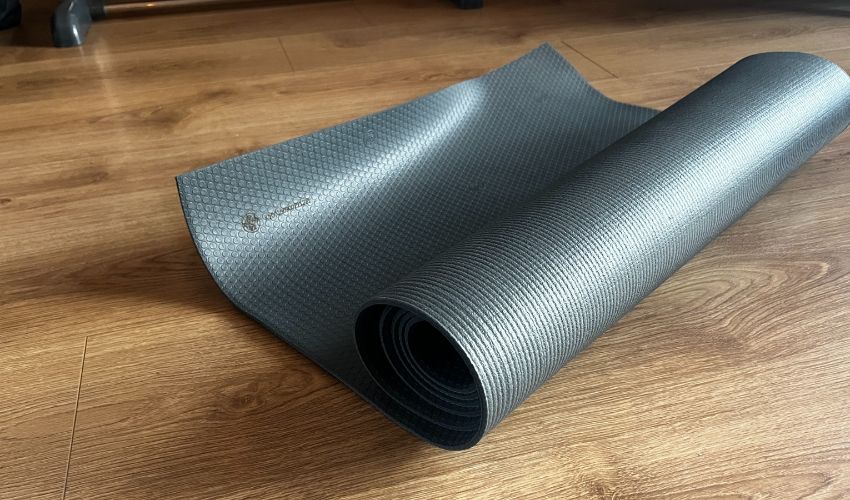
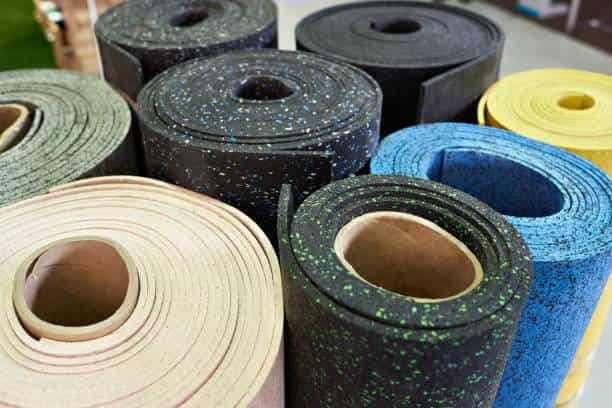
Rubber flooring absorbs shock, resists slips, and handles heavy use. That makes it a strong choice for gyms, play areas, garages, and commercial spaces. It wipes clean easily. It can smell rubbery at first and usually costs more than carpet or basic vinyl. If you are comparing Rubber Flooring Dubai options, ask about thickness and density, since both affect comfort and lifespan.
6. Concrete Flooring
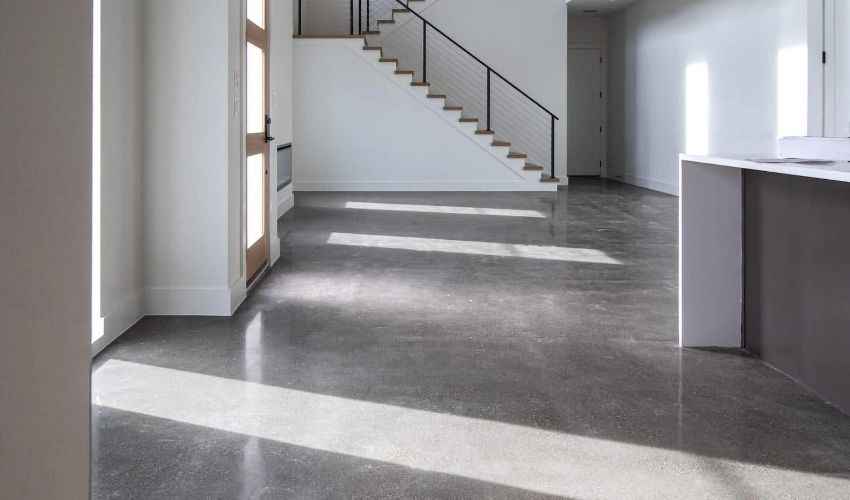
Concrete flooring has a very low material cost when you already have a slab. Polished or stained finishes give a clean, modern look. It is extremely durable, but it feels hard and cold, and it can crack. It also needs sealing to resist stains. Grinding, staining, and sealing add labor, so total costs can climb. It suits basements, garages, and industrial-style homes.
7. Linoleum Flooring
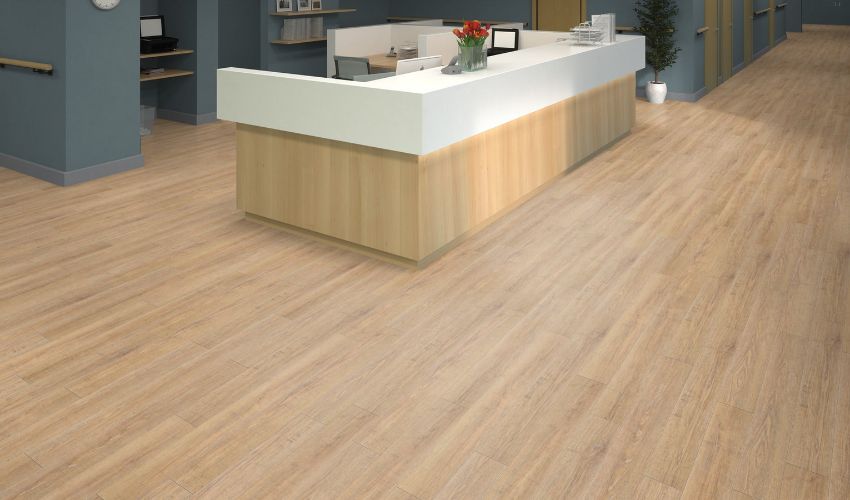
Linoleum is made from linseed oil, cork dust, and wood flour. It is a natural, biodegradable material at an affordable price. Sweeping and mopping keep it in shape, and sealed linoleum can last for decades. It can scratch and fade in strong sunlight. It works well in kitchens, hallways, and home offices.
Flooring Cost Comparison: Which Option Is Cheapest?
Carpet, laminate, and basic vinyl usually sit at the low end of material cost. The table below uses relative ratings instead of exact prices.
| Flooring type | Relative material cost | Durability | Maintenance | Best applications |
| Vinyl | Low to medium | Medium to high | Low | Kitchens, bathrooms, rentals |
| Laminate | Low to medium | Medium | Low | Living rooms, bedrooms |
| Ceramic tile | Low to medium | Very high | Medium | Kitchens, bathrooms, entryways |
| Carpet | Low | Low to medium | High | Bedrooms, quiet living areas |
| Rubber | Medium | Very high | Low | Gyms, play areas, commercial spaces |
| Concrete | Low (with an existing slab) | Very high | Low to medium | Basements, garages, modern interiors |
| Linoleum | Low to medium | High | Low | Hallways, kitchens, offices |
Prices vary by location, material quality, and installation needs. Material cost is not the same as total installed cost. Tile and concrete finishing often cost more to install than vinyl or laminate. Always get local quotes before you decide.
Which Flooring Offers the Best Long-Term Value?
The cheapest floor upfront is rarely the best deal. Ceramic tile, rubber, and concrete cost more to install but last for decades with few repairs. Vinyl and linoleum sit in the middle, with low upkeep and a long life if you buy good quality. Laminate is cheap and simple, yet water damage often means replacing whole boards. Carpet wears out fastest in busy rooms, so it gets replaced most often. For most homes, quality vinyl gives the best balance. In hard-use areas, tile and rubber usually win.
Here is a simple example. Say you pick low-cost carpet for a busy hallway. It looks fine for two years, then it flattens and stains, and you replace it. A mid-priced vinyl or tile floor in the same spot might last ten years or more. Over time, the second choice often costs less. Think in cost per year of use, not cost on day one.
Best Budget Flooring for Different Spaces
- Living rooms: Laminate or vinyl planks. Carpet adds warmth if you prefer it.
- Bedrooms: Carpet or laminate for comfort and quiet.
- Kitchens: Vinyl, ceramic tile, or linoleum. All handle spills well.
- Bathrooms: Vinyl or ceramic tile. Skip carpet and laminate.
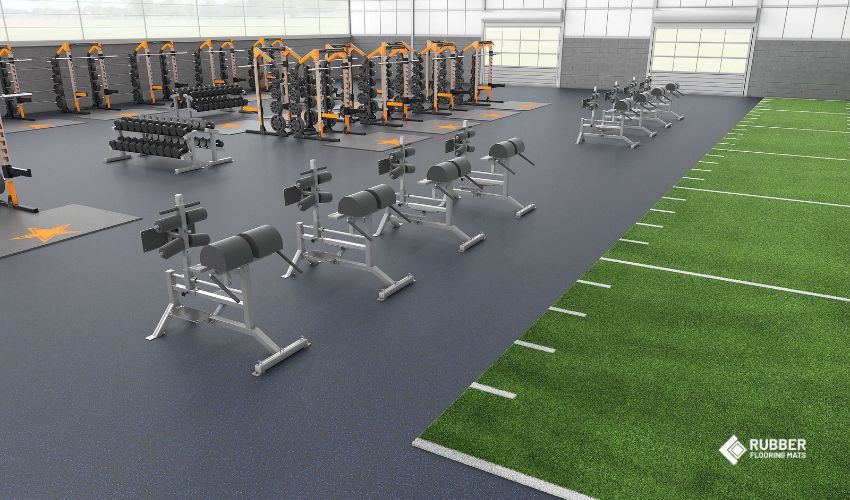
- Home gyms: Rubber protects the subfloor, cuts noise, and grips well. For Gym Flooring in Dubai, rubber tiles or rolls work for both home setups and commercial gyms.
- Commercial spaces: Ceramic tile, heavy-duty vinyl, or rubber for busy areas. Polished concrete suits shops and studios.
How to Save Money When Buying and Installing Flooring
- Compare material prices from at least three suppliers.
- Measure carefully, then add about 10% for cuts and mistakes.
- Match the material to the room. A cheap floor in the wrong place costs more later.
- Plan the layout to reduce waste.
- Collect several installation quotes, and ask what each one includes.
- Choose click-together vinyl or laminate if you want to install it yourself.
Final Verdict: What Type of Flooring Is Best and Cheapest?
Carpet and basic laminate or vinyl are usually the cheapest upfront. Quality vinyl offers the best overall value for most homes. Ceramic tile wins in wet rooms, and rubber is the smart pick for gyms and busy commercial areas. Choose by room and traffic, not by price alone.
Frequently Asked Questions
- What is the cheapest flooring option available?
Carpet and basic vinyl or laminate are usually the lowest-cost choices, depending on quality and local prices.
- Which flooring lasts the longest for the money?
Ceramic tile, rubber, and sealed concrete last longest. Linoleum and good vinyl also hold up well.
- Is vinyl flooring cheaper than laminate?
They are close. Prices overlap, and quality matters more than the type.
- What is the best inexpensive flooring for homes?
Quality vinyl suits most rooms. Laminate works in dry areas.
- Which flooring is easiest to install?
Click-together vinyl and laminate planks are the easiest DIY options.
- Is rubber flooring a good budget option?
Yes, for gyms, play areas, and garages. It costs more upfront but lasts a long time.
- What flooring is best for high-traffic areas?
Ceramic tile, rubber, heavy-duty vinyl, and concrete handle heavy traffic best.