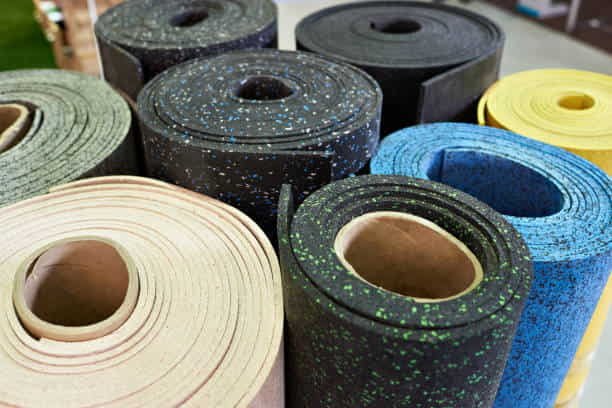
Picking gym floorings is not just about grabbing the thickest mat on the shelf. The right thickness depends on what you’re training, what equipment you’re using, how hard the floor gets hit, and what room you’re putting it in.
A yoga studio and a powerlifting platform don’t need the same floor. Neither does a home treadmill room and a commercial free-weight area. This guide by rubber flooring mats walks through the real factors that decide gym flooring thickness, so you can pick something that actually works for your space instead of just guessing.
We’ll cover shock absorption, noise, equipment protection, and safety. We’ll also look at home gyms, commercial gyms, weightlifting zones, cardio areas, and functional training spaces, with a section built specifically for gym owners and home gym users in Dubai.
Why Does Gym Flooring Thickness Matter?

Thickness affects almost everything about how a floor performs. Get it right, and your gym feels safer, quieter, and more comfortable to train in. Get it wrong, and you either waste money on floor coverings you don’t need or end up with a floor that can’t handle what you’re throwing at it.
Here’s what thickness actually influences:
Shock absorption. Thicker rubber compresses more, which cushions impact from dropped weights, jumps, and heavy footwork. This matters more in strength and plyometric areas than in a stretching corner.
Impact protection. A thicker floor spreads out the force of an impact instead of letting it hit one small point. This protects both the floor and whatever’s underneath it.
Floor protection. Concrete subfloors can crack or chip under repeated heavy impact. The right thickness acts as a buffer between your equipment and the structure beneath it.
User comfort. Standing, lifting, or doing floor exercises on a hard surface for long periods gets tiring. A bit of give in the flooring reduces strain on joints and feet.
Noise reduction. Thicker, denser rubber absorbs sound better than thin sheets. This matters a lot in apartment buildings and multi-story commercial spaces.
Equipment protection. Dropped dumbbells, kettlebells, and barbells can damage both the floor and the equipment itself if there’s not enough cushioning.
Durability. Flooring that’s matched to its intended use tends to last longer, since it’s not being pushed beyond what it was built for.
Safety. Non-slip, well-cushioned flooring reduces the risk of slips and reduces strain injuries from constant impact on a hard surface.
Here’s the part people often get wrong: thicker isn’t automatically better. A cardio room doesn’t need 20mm flooring any more than a weightlifting platform needs 4mm mats. The goal is matching thickness to actual use, not maximizing it.
Common Gym Flooring Thickness Options
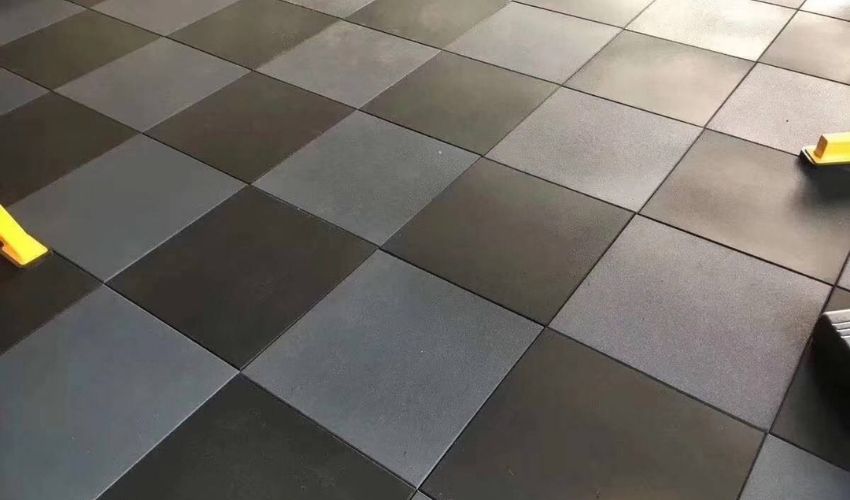
Gym flooring generally falls into a few thickness categories. These aren’t strict rules, but they give you a starting point based on how gyms typically use each range.
3–5mm Gym Flooring
This is the thinnest common option, and it works well for lighter activity. Think stretching areas, yoga spaces, cardio machine zones, and general fitness floors where nothing heavy gets dropped.
It’s a practical choice when you need a durable, easy-to-clean surface without paying for cushioning you won’t use. Many fitness studios use this range for group class areas and warm-up zones.
6–8mm Gym Flooring
This is the middle ground, and it’s probably the most commonly installed thickness across home gyms and studios. It handles moderate workouts, light to medium dumbbell use, and general strength training without becoming overkill.
If you’re setting up a home gym with a mix of cardio and light weights, this range often covers most needs. It balances cost, comfort, and protection reasonably well.
10–15mm Gym Flooring
Once you’re dealing with commercial gym traffic or a dedicated free-weight area, this range starts making more sense. It handles heavier dumbbells, more frequent impact, and higher foot traffic without wearing down quickly.
This is a common choice for weight rooms in commercial gyms, where dumbbells up to moderate weights get picked up and set down constantly throughout the day.
15–30mm+ Heavy-Duty Flooring
This is where things get serious. Flooring in this range is built for areas where weights are regularly dropped from height, such as Olympic lifting platforms and heavy strength training zones.
It’s not necessary for most of a gym, but in specific high-impact areas, it makes a real difference in protecting the subfloor and reducing noise and vibration.
Keep in mind, these ranges shift depending on the rubber’s density, what’s underneath the flooring, the equipment being used, and how the space actually gets trained in day to day. Two gyms with the same thickness of flooring can perform very differently if one uses denser rubber or has a stronger subfloor.
What Thickness Is Best For A Home Gym?
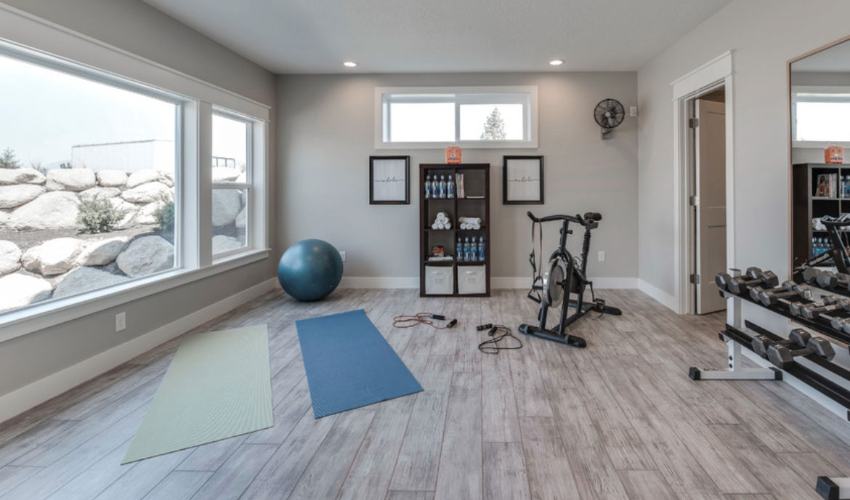
Home gym flooring comes down to what you actually do in that room. Someone who mostly runs on a treadmill has very different needs than someone doing heavy barbell work in their garage.
Treadmills, exercise bikes, and ellipticals put steady, repetitive pressure on the floor rather than sudden heavy impact. A 6–8mm rubber floor usually gives enough cushioning and vibration control for these machines, along with some noise reduction if you’re on an upper floor.
Dumbbells and resistance training call for a bit more protection, especially if you’re working with anything over light weights. An 8–10mm floor holds up better here and cushions the occasional drop.
Bodyweight workouts like push-ups, planks, and mobility work don’t put much strain on flooring at all. Even a thinner mat in the 4–6mm range works fine for this kind of training.
Heavy lifting at home is a different story. If you’re doing serious strength training with barbells, plan for 10–15mm or even thicker flooring in that specific spot, since dropped weights on a thin floor can damage both the flooring and the concrete beneath it.
The general rule: cardio-focused home gyms can usually get away with less thickness than home gyms built around heavy lifting. Match the floor to your actual training, not to what looks impressive.
What Thickness Is Best For Commercial Gyms?
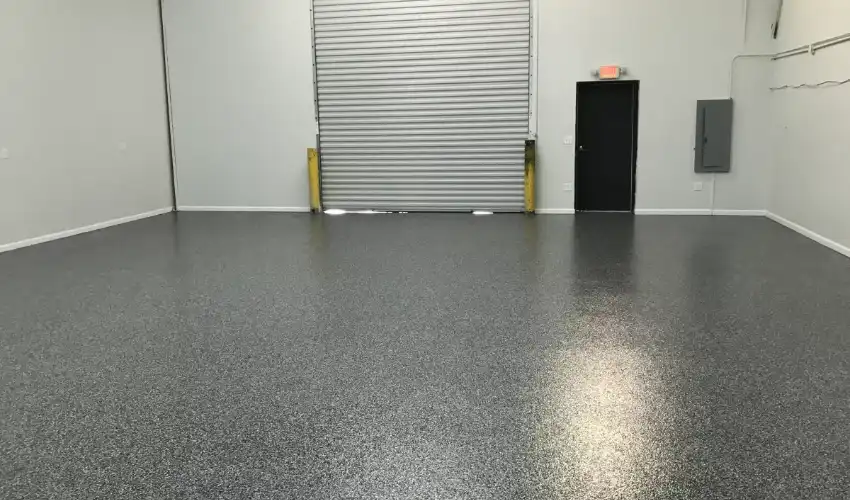
Commercial gyms deal with demands that home setups rarely see. High foot traffic runs all day, equipment gets used constantly, and heavy weights get picked up and dropped far more often than in a home setting.
That kind of repeated impact wears flooring down faster, so commercial spaces generally need thicker, denser rubber than home gyms doing the same activity. Maintenance also becomes more of a factor, since commercial flooring needs to handle daily cleaning and heavy use without breaking down.
Here’s something worth understanding: a single commercial gym usually needs more than one flooring thickness. The cardio zone, the general fitness floor, and the free-weight area all see different levels of impact, so it makes sense to install different thicknesses in each section rather than using one blanket thickness everywhere. This is more cost-effective too, since you’re not overpaying for thick flooring in low-impact zones.
Best Gym Flooring Thickness For Weightlifting
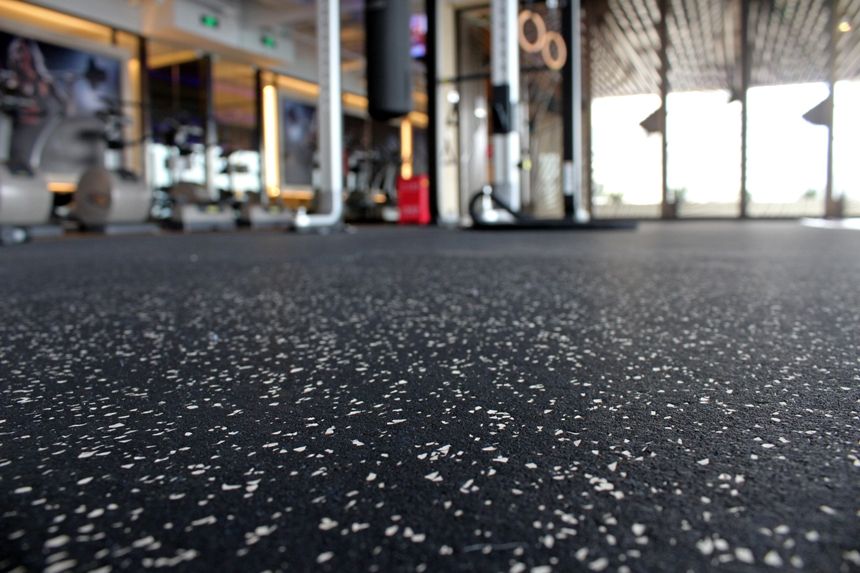
Weightlifting areas have the highest demands of almost any part of a gym, and the flooring needs to reflect that. When someone drops a loaded barbell or a heavy dumbbell, that impact needs somewhere to go.
Thicker, denser rubber flooring absorbs more of that shock, which protects the subfloor from cracking and reduces the jarring impact felt through the room. It also cuts down on noise and vibration, which matters a lot if there’s a floor below or neighboring units nearby.
Beyond shock absorption, thicker flooring adds a layer of stability. A well-cushioned, properly installed floor gives lifters a more consistent surface to plant their feet on, which supports safer lifting technique.
That said, extremely heavy lifting, like competitive Olympic lifting or serious strength programs where weights are dropped from full extension regularly, often calls for something beyond standard thick flooring. Dedicated lifting platforms, built specifically to handle that level of repeated impact, are usually the better solution rather than just adding more rubber thickness.
Gym Flooring Thickness For Cardio Areas
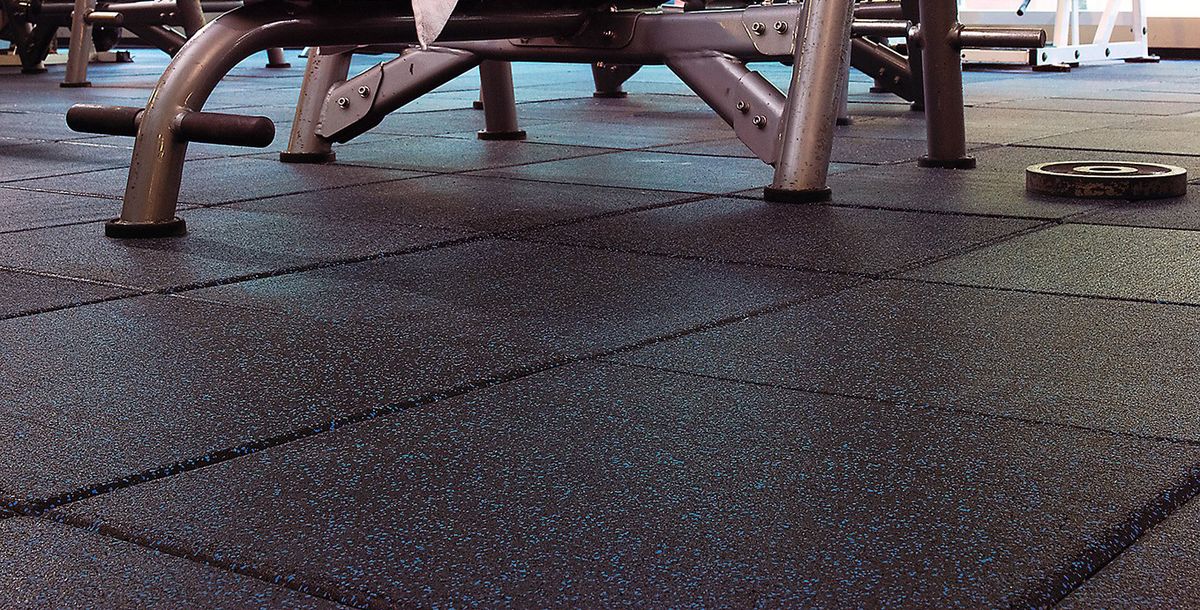
Cardio zones don’t need the same thickness as weight rooms, but that doesn’t mean flooring choice doesn’t matter here. Treadmills, bikes, cross trainers, and rowing machines all need a stable surface more than they need heavy cushioning.
Do treadmills need thick rubber flooring? Not really. What they need is a floor that reduces vibration, keeps the machine steady, and protects the subfloor from the constant, repetitive motion. A 6–8mm floor generally does this job well without adding unnecessary bulk.
Too much thickness under cardio equipment can actually work against you. Machines can feel less stable if the flooring compresses too much under their weight, which is worth keeping in mind before assuming thicker automatically means better here.
Gym Flooring Thickness For Functional Training
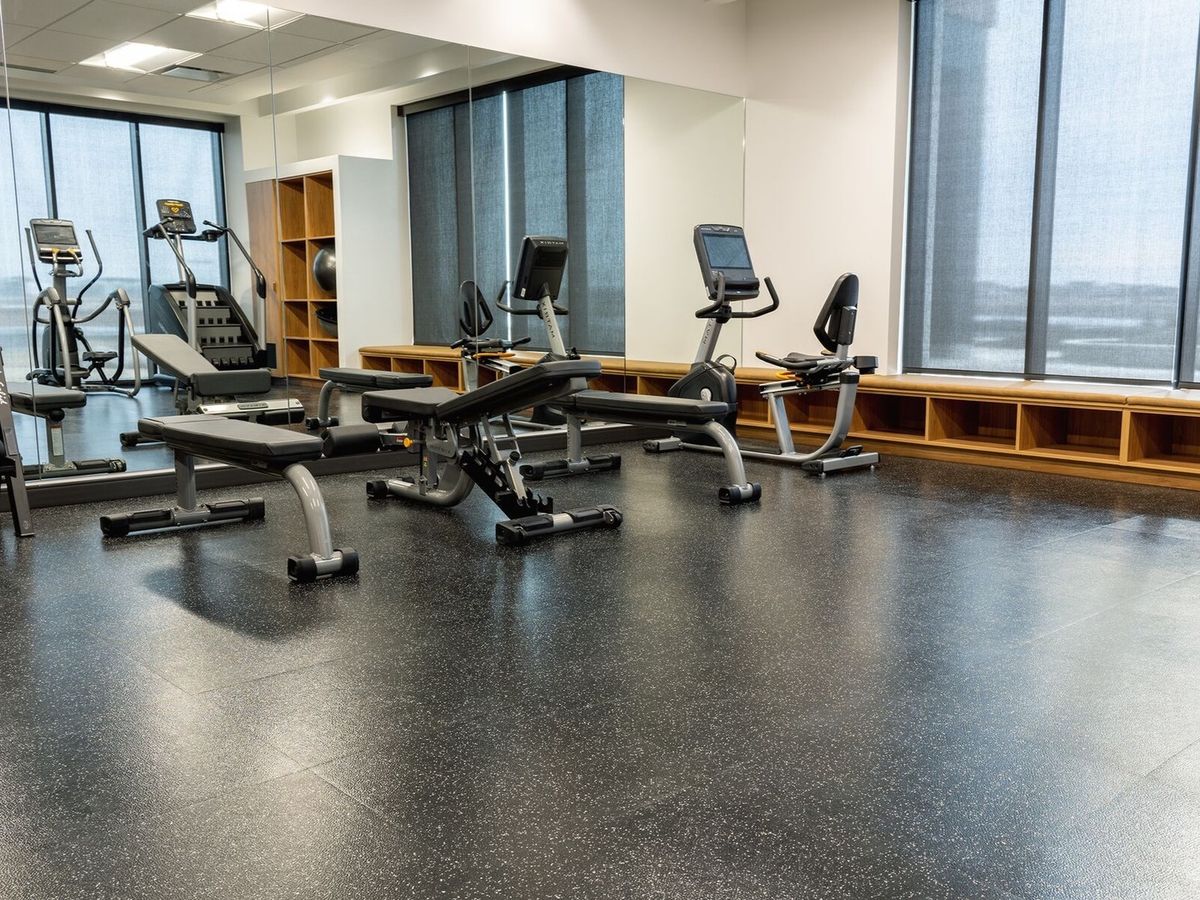
Functional training spaces cover a wide mix of movement: HIIT circuits, kettlebell swings, battle ropes, sled pushes, plyometrics, and bodyweight exercises. This variety makes flooring choice a bit more complex than a straightforward cardio or weight room.
These areas benefit from flooring in the 8–15mm range, depending on how intense the training gets. Kettlebell and plyometric work involves real impact, so thickness matters for shock absorption. Sled work, on the other hand, depends more on how tough and grippy the surface is than on cushioning.
Surface grip matters just as much as thickness in functional zones. A floor that’s thick but slippery under sweat is still a safety risk. Impact resistance and traction need to work together here, not just raw cushioning.
Does Thicker Gym Flooring Always Mean Better?
No, and this is worth being direct about. Thicker flooring isn’t automatically the better choice, even though it sounds like the safer bet on paper.
Is thicker rubber flooring better? Not always. Here’s why going thicker than necessary can actually cause problems:
- Higher cost. More material means a higher price, and paying for cushioning you don’t need is money that could go elsewhere.
- Installation issues. Very thick flooring can be harder to work with, especially around doorways, corners, and transitions to other rooms.
- Reduced stability for some equipment. Cardio machines and some strength equipment can feel less steady on flooring that compresses too much.
- Uneven transitions. Thick flooring next to a thinner surface or bare floor creates a trip hazard if it’s not handled properly during installation.
The real takeaway here: pick the thickness that matches the workout, the equipment, the subfloor, and the expected impact level. Is 10mm rubber flooring enough for a gym? For a lot of general fitness and moderate weight use, yes, it’s plenty. For a dedicated heavy lifting zone, it might not be. It depends on what the space is actually used for, not on chasing the highest number available.
Other Factors To Consider Besides Thickness
Thickness gets a lot of attention, but it’s only one piece of the puzzle. What should you consider besides flooring thickness? These factors below matter just as much, sometimes more.
Rubber Density
Two floors can be the same thickness and perform completely differently if their density is different. Denser rubber holds up better under heavy, repeated impact, while lower-density rubber compresses more easily. A thinner, dense floor can sometimes outperform a thicker, low-density one.
Surface Grip
Traction affects safety just as much as cushioning does. A textured, grippy surface helps prevent slips during sweaty workouts, lifting sessions, and fast-paced training, regardless of how thick the floor is underneath.
Shock Absorption
This is about how the flooring actually handles impact, not just how thick it looks. Material quality and construction play a big role here alongside thickness.
Sound And Vibration Control
Dropped weights and heavy equipment create noise and vibration that travel through floors and walls. Denser, well-installed rubber flooring reduces both, which matters most in shared buildings and multi-level facilities. Does gym flooring reduce noise? Yes, particularly denser rubber options, though thickness alone doesn’t guarantee quiet performance.
Durability
How much wear a floor sees daily affects how long it lasts. A commercial gym floor under constant use needs a different durability standard than a lightly used home gym corner.
Installation Method
Tiles, rolls, and mats all install differently, and the method you choose affects how the floor performs over time, how easy it is to maintain, and how seamless the surface looks once it’s down.
Rubber Tiles vs Rubber Rolls vs Gym Mats
Each flooring format has its place, and picking the right one depends on your room size, layout, and how the space gets used.
Rubber tiles are interlocking pieces that are easy to install and simple to replace individually if one section gets damaged. They work well in larger commercial spaces and irregularly shaped rooms, since you can cut and fit them around obstacles.
Rubber rolls create a more seamless look across large areas, with fewer seams than tiles. They’re a strong choice for big open gym floors where a continuous surface matters, like large free-weight rooms or full studio floors.
Individual rubber mats are the most flexible option, since they can be placed under specific equipment or in targeted zones without covering the whole room. If you’re looking for Rubber Flooring Mats for a specific area, like under a squat rack or a cardio machine, mats give you a targeted solution without a full flooring installation.
The best format really depends on your space. A home gym with one weight station might just need a mat, while a full commercial free-weight room is usually better served by rolls or tiles across the entire floor.
How To Choose The Right Gym Flooring Thickness
Here’s a practical process to work through when deciding on thickness:
- Identify the type of workouts happening in the space, whether that’s cardio, strength, functional training, or a mix.
- Check the equipment being used, since machines, free weights, and bodyweight training all have different flooring needs.
- Consider the weight and impact level, including whether weights will be dropped regularly.
- Inspect the existing subfloor, since concrete, wood, and tile all respond differently to impact.
- Think about noise and vibration, especially if you’re in an apartment, above another floor, or near shared walls.
- Choose the right rubber density, not just a thickness number.
- Decide between tiles, rolls, or mats based on room size and layout.
- Consider installation and maintenance requirements before committing.
- Set a realistic budget, keeping in mind that thickness and density both affect price.
- Buy from a reliable supplier who can guide you based on your actual space and workout style, not just sell you the most expensive option. Working with established Gym flooring suppliers Dubai trust can save you from costly mistakes later on.
Gym Flooring Thickness For Dubai Gyms
Dubai’s fitness spaces come in a lot of different forms, from home gyms tucked into apartments and villas to full commercial fitness centers and boutique studios. Each of these has its own flooring considerations.
Home gyms in apartments often need to think carefully about noise. Dropped weights or heavy footfalls can carry through floors to units below, so denser rubber flooring in the 8–12mm range is usually a sensible choice for anyone doing more than light cardio.
Villa gyms have a bit more flexibility, since there’s typically less concern about disturbing neighbors, though subfloor type still matters when deciding on thickness.
Commercial gyms and fitness studios across the city deal with high daily traffic and need flooring that can handle constant use without breaking down. Indoor, air-conditioned training spaces are the norm here, so flooring doesn’t face the same heat exposure issues that outdoor surfaces might, which makes standard rubber flooring a practical and reliable choice indoors.
Maintenance and cleaning routines matter too, since gyms in the region often deal with high usage year-round. Choosing flooring that’s easy to clean and holds up over time will save on upkeep down the line.
Professional installation is worth prioritizing, especially for commercial spaces or larger home setups. A properly installed floor lasts longer and performs better than one that’s just laid down without proper prep. If you’re ready to move forward, working with a supplier who can help you Buy Gym flooring Dubai options suited to your specific space makes the process much smoother.
How Much Does Gym Flooring Thickness Affect Cost?
Thicker flooring generally costs more, simply because it uses more material. But thickness is only one factor in the final price. Rubber quality and density play a big role too, since higher-density rubber typically costs more than standard density at the same thickness.
Product type matters as well. Tiles, rolls, and mats are priced differently, and the size of the area you’re covering has a direct impact on total cost. Custom requirements, like specific colors, patterns, or cut-to-size pieces, can add to the price. Brand and supplier also vary, so it’s worth comparing a few options rather than going with the first quote you get.
Rather than guessing at numbers, it’s worth getting a direct quote based on your specific space, since pricing shifts depending on all these combined factors.
How To Maintain Thick Rubber Gym Flooring
Good flooring lasts a lot longer with basic, consistent care. Here’s what actually helps:
- Sweep regularly to remove dust, dirt, and grit that can wear down the surface over time.
- Vacuum for a deeper clean, especially in high-traffic commercial spaces.
- Use suitable cleaning products made for rubber flooring, since the wrong chemicals can break down the material.
- Wipe up sweat and spills promptly to avoid staining or slippery patches.
- Avoid harsh chemicals like bleach or strong solvents, which can degrade rubber over time.
- Check seams and edges periodically, especially in tile installations, to catch any lifting or separation early.
- Move heavy equipment carefully rather than dragging it across the floor, which can tear or gouge thicker rubber.
None of this takes much time, but skipping it regularly is one of the main reasons flooring wears out faster than it should.
Quick Gym Flooring Thickness Chart
| Workout / Area | Suggested Thickness Range | Why |
| Yoga / stretching | 3–5mm | Light activity, minimal impact, comfort over cushioning |
| Home cardio | 6–8mm | Handles vibration and repetitive motion from machines |
| General fitness | 6–8mm | Balanced option for mixed light-to-moderate use |
| Dumbbell training | 8–10mm | Cushions moderate weight drops and daily use |
| Commercial gym | 10–15mm | Withstands high traffic and frequent impact |
| Heavy weight training | 15–20mm | Absorbs shock from heavier, more frequent drops |
| Weightlifting area | 20–30mm+ | Handles maximum impact from dropped barbells |
These ranges are general guidance, not fixed engineering requirements. Your final choice should factor in equipment weight, impact frequency, rubber density, and the condition of your subfloor.
Final Thoughts
The best gym flooring thickness isn’t the thickest one you can find. It’s the one that actually matches your activity and impact level.
Light workouts like yoga and stretching don’t need heavy-duty protection. General fitness spaces do well with a balanced, mid-range option. Heavy weight training needs stronger impact protection to keep both the floor and the equipment safe. Serious weightlifting areas may need specialist solutions beyond standard flooring altogether.
If you’re setting up or upgrading a gym in Dubai, whether it’s a home setup, a studio, or a full commercial facility, it’s worth talking to a flooring professional before you buy. They can walk through your space, your equipment, and your budget, and help you land on a thickness that actually works, instead of guessing and hoping for the best.